

From major storms to leaky pipes, claims adjusters and carriers are the first to feel the pressure. Policyholders want and need answers fast. But gathering the data to make those decisions often takes time, coordination, and sometimes, personal risk.
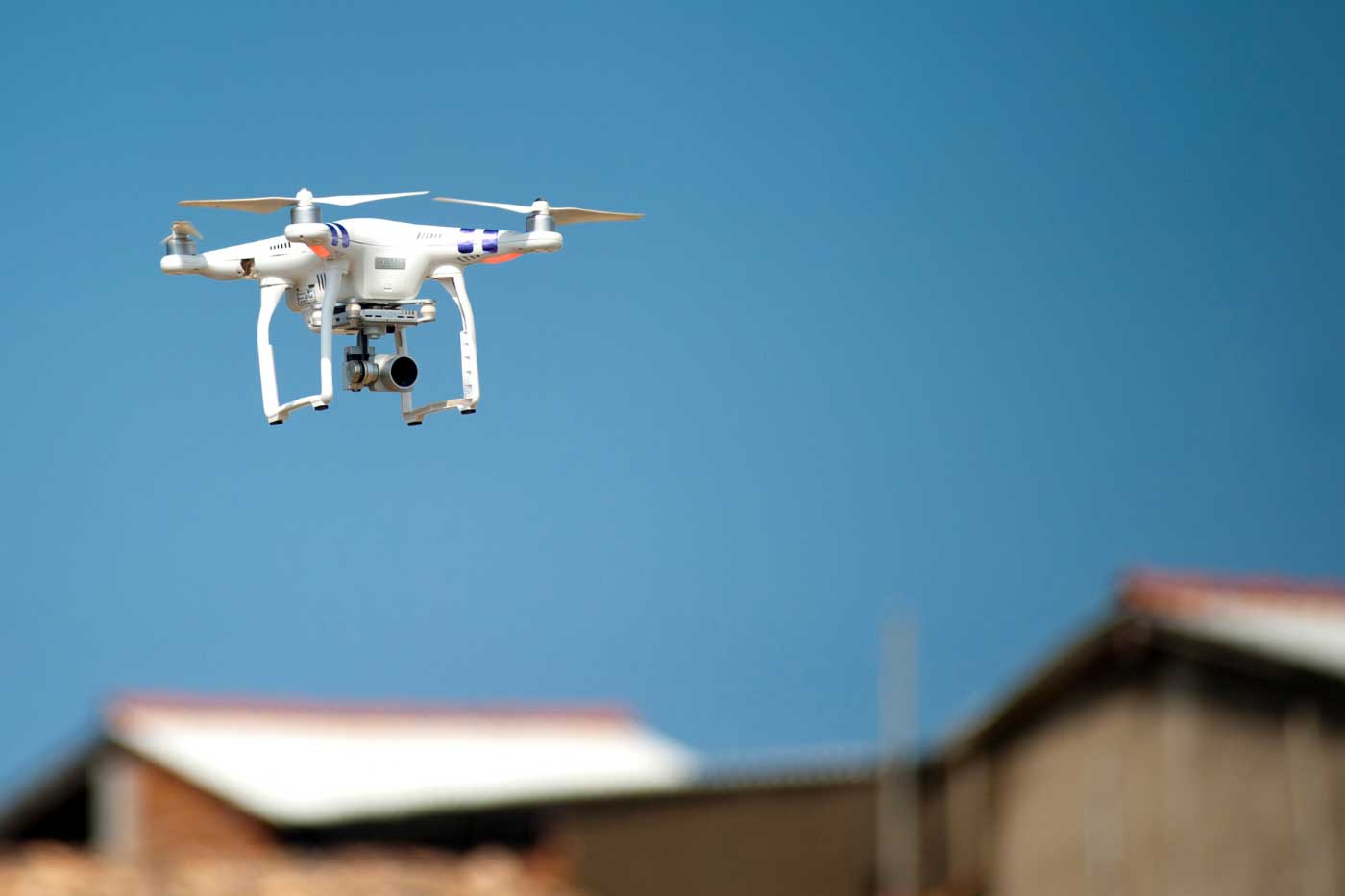
Now, that process is taking flight — literally. Drone roof inspections are transforming how claims are handled, giving desk and field adjusters faster, safer, and more accurate information than ever before. And showing carrier leadership faster claim cycles, quicker resolutions, and lower inspection costs.
Whether you’ve already reviewed drone reports or are just becoming familiar with them, understanding how this technology integrates into an adjuster’s daily workflow is crucial for staying ahead in a rapidly evolving industry.
The Shift to Drone Roof Inspections
Not long ago, a roof inspection meant climbing ladders, snapping photos by hand, and hoping the weather and roof stability cooperated. But in today’s claims environment, time, safety, and costs are critical. As technology advanced and economic factors began to affect the market, insurance carriers sought new ways to conduct inspections.
Drone insurance inspections eliminate many of those hurdles. Certified pilots now capture high-resolution images and data from the safety of the ground using advanced drone technology. Often, they can complete an entire inspection in under 20 minutes. That information is processed and delivered in real-time to the desk adjuster — ready for review, measurement, and action. Plus, drone roof inspections cost a fraction of the expenses incurred from labor-intensive inspections.
The result is less waiting, more accuracy, and a smoother experience for both you and your policyholders.
In fact, the global drone insurance market, valued at $1.1 billion in 2023, is projected to more than double by 2032, proving that drones for roof inspections aren’t a passing trend. They’ve become a vital part of modern claims operations.
How Drone Insurance Inspections Work
Drone inspections fit seamlessly into most carriers’ workflows and can offer immediate relief from administrative tasks that bog down desk adjusters to streamlining inspection processes for teams in the field. Here’s what you need to know about the drones and their technology.
FAA-certified pilots fly drones
Most carriers and independent adjusting firms, like Eberl, partner with trained, certified pilots who handle everything from flight planning to data capture. Every drone insurance inspection in the U.S. must comply with FAA Part 107 regulations. Certified drone pilots follow strict flight rules, including altitude limits and airspace authorization.
A proprietary app guides inspections for quality and accuracy
Eberl’s proprietary app provides detailed flight instructions and prompts to the drone pilots, ensuring they capture all areas of interest. Each drone utilizes a 4K camera to obtain high-resolution images. Pilots can zoom in on individual shingles, verify measurements, and identify moisture intrusion — all without ever setting foot on the roof.
The drone pilot is also a certified inspector and is knowledgeable about what information needs to be collected for the claim.
AI-assisted image analysis reviewed by licensed adjusters
Once a drone flight is complete, the real value begins. Images are uploaded and assessed using our proprietary AI technology. A report is then generated and reviewed by a licensed adjuster to verify that everything meets the carrier’s requirements and compliance standards. Leveraging 50 million+ high-resolution drone images and decades of AI modeling expertise, Eberl has reached unparalleled accuracy in hail and wind damage detection. Our results have been verified and celebrated by carriers nationwide.
Data is integrated into carrier workflows
Now, reports and documents are shared with you. The data is uploaded to your preferred platforms, like XactAnalysis or Cotality. From there, it’s processed into structured, workflow-ready reports — complete with annotated imagery, roof diagrams, and measurements tailored to your estimating software. Information for each claim is stored in a single location, making it easy to locate what you need.
You can:
- View and measure damage directly from your desktop.
- Access 3D models for precise slope and surface calculations.
- Review AI-assisted analysis validated by licensed adjusters.
- Attach the report directly to your claim file for documentation.
The entire process turns what used to take days of coordination into a same-day turnaround with no scheduling bottlenecks and no missed details.
Companies, like Eberl, take it one step further and offer estimating services, too. Licensed adjusters collaborate with AI-assisted image analysis to reduce increased volume while ensuring carrier-aligned accuracy.
Why Drones Matter for Your Team
Managing dozens or hundreds of active files, every hour counts. Slow claim cycles hurt customer satisfaction. Policyholders are requesting updates, and your team requires reliable information to make informed, fair, and defensible decisions.
That’s where drones for claims inspections come in.
Drone Insurance Inspections: Speed, Costs, and Accuracy
Anything that makes your job easier sounds too good to be true. But utilizing drones for claims inspections will make a positive impact on your claim cycles
Here’s why they’re making such an impact:
- Faster data delivery: Drone roof inspections can reduce inspection turnaround times by 50% or more. Drone roof inspections dramatically accelerate that first step, capturing imagery, measurements, and reports in a fraction of the time it takes a traditional inspection team.
- Lower inspection costs: Fewer resources are spent on travel, equipment, and repeat visits. Manual inspections require more time to set up safety equipment and execute the job.
- More consistent reporting: Every flight follows a structured process with standardized imagery and annotation.
- Improved safety: Field adjusters can observe with their boots on the ground. No need to climb unsafe roofs or navigate storm debris.
- Stronger documentation: The data includes geotagged, time-stamped images that eliminate ambiguity and reduce disputes, providing your team with confidence in the final estimate for each claim.
Instead of chasing field updates or worrying about missing damage, you can spend more time explaining outcomes, answering questions, and delivering the human connection that technology can’t replace.
In other words, drones don’t replace adjusters; they make good adjusters even better.
Where Drone Inspections Make the Biggest Difference
1. Catastrophe (CAT) Events
When large-scale disasters strike, carriers face a surge of claims in a short window. Drone teams can be deployed across entire neighborhoods to capture imagery within hours. That rapid visibility helps triage claims, identifying the most severe losses first and providing policyholders with the help they need sooner.
2. Hard-to-Reach or Unsafe Areas
Drones can safely inspect areas that would otherwise require scaffolding, lifts, or extended travel times, resulting in longer inspection times and higher costs. Whether it’s a high-rise façade, a remote property, or a structurally compromised roof, drones capture what human inspectors can’t reach safely.
3. Drone Inspections for Residential and Commercial Roof Claims
For everyday hail, wind, and storm claims, drones provide a consistent, repeatable way to document every square foot. AI-powered tools can even automatically identify and count hail strikes, as well as missing and/or creased shingles, improving both accuracy and efficiency.
How Eberl Helps: Drone Insurance Inspections that Accelerate Claims
Adopting new technology shouldn’t slow you down. With Eberl, you get a partner that pairs proven technology with experienced people, so your team closes claims faster, safer, and with confidence.
With Eberl, your team will experience:
- Unmatched coverage and speed with the nation’s largest insurance-focused drone network
- AI-assisted damage identification with licensed adjuster review
- Safety without sacrificing details
- Comprehensive, centralized reporting, from photos and videos to detailed notes,
If you haven’t yet experienced a drone inspection firsthand, contact Eberl’s Vice President of Claims Operations, Mark Cooke, for a detailed demo.